
Learn what you can do from a security camera app, from viewing live or recorded footage to two-way talk with visitors and family members.
Do Security Cameras Work Without Wi-Fi? Wired and Cellular Options Explained
Key takeaways
- Security cameras can function reliably without Wi-Fi—traditional wired systems, DVR/NVR setups, and cameras with local storage options do not rely on a Wi-Fi connection to capture security footage.
- For the best coverage, opt for a hybrid wired-wireless camera. This type of security camera gives you the benefits and safety of both camera types.
- Vivint security cameras use wired-wireless connection. Features like real-time notifications and remote viewing will pause if Wi-Fi goes down, but the camera continues to record footage and deter thieves.
Security cameras can still function reliably without Wi-Fi. Traditional wired CCTV systems, DVR/NVR setups, and cameras with local storage options (like SD cards or hard drives) record video without requiring an internet connection. Some surveillance cameras even use cellular data, which is useful in remote locations where Wi-Fi is unavailable.
Vivint takes a modern approach. While Vivint hybrid wired-wireless security cameras use Wi-Fi for real-time features like notifications and remote viewing, the cameras don’t stop working if your internet connection is interrupted. AI features like Smart Deter still function when Wi-Fi is down. Plus, thanks to Vivint Playback, cameras continue recording locally during outages, so you can view footage remotely once your camera reconnects to Wi-Fi.
Vivint's professionally monitored security system uses cellular backup to ensure protection even when Wi-Fi isn't available.
In this guide, we'll explore the best alternatives to Wi-Fi–dependent cameras, including wired cameras, cellular security solutions, and battery-powered options. We'll also highlight Vivint's technology, explain the benefits of non-Wi-Fi setups, and answer common questions.
By the end, you'll have a clear picture of how home security cameras can function without Wi-Fi, and why Vivint offers a reliable balance of connectivity and security.
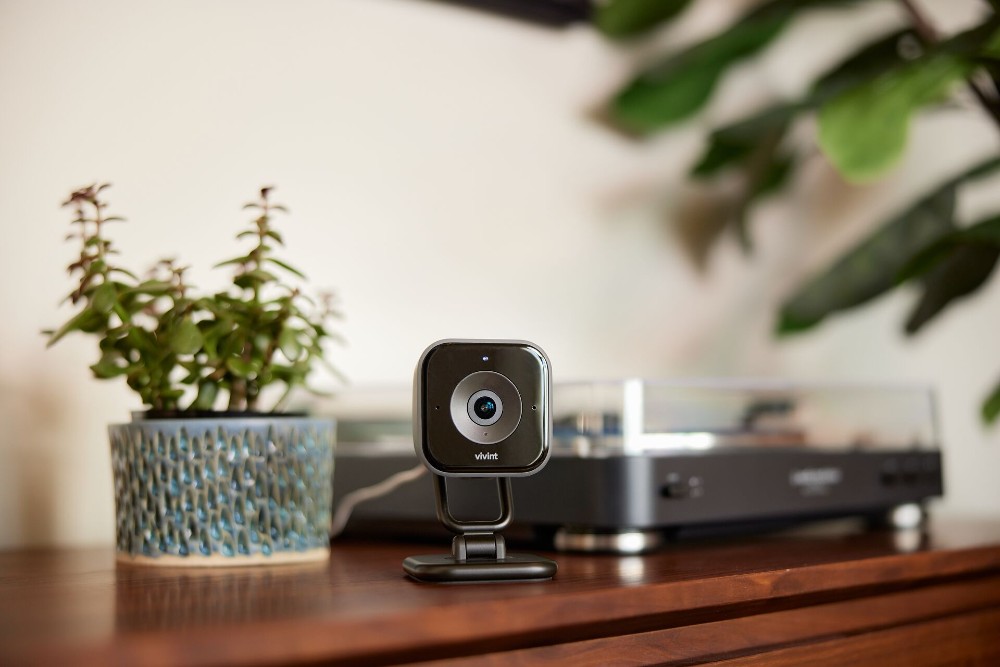
How different security cameras work without Wi-Fi
Not all security cameras rely on internet access. Alternatives like wired Ethernet systems, DVR/NVR setups, local SD card storage, and LTE-based cellular cameras allow you to capture and store footage even without a home network. These setups can still provide key features like remote viewing and notifications when paired with cellular data.
Vivint security camera systems combine both wired and wireless technology, making for a stronger network connection than cameras that only have wireless capabilities.
If your Wi-Fi ever goes down, your cameras will continue to operate during the outage. AI features like Smart Deter do not rely on Wi-Fi to function, and your camera will keep recording so you can view the footage when you get back online.
Wired security cameras
Wired cameras use coaxial or Ethernet cables for reliable video feeds without the need for Wi-Fi. Many of these systems use Power over Ethernet (PoE) for both power and data transfer. This makes them efficient and stable. With DVR or NVR setups, footage saves continuously to a hard drive or another dedicated video recorder. That way, you won't lose coverage during outages.
One benefit of hardwired solutions is durability. They offer stable performance, consume less power, and don't rely on inconsistent internet access. Utility companies and homeowners often prefer them for their long-term reliability.
Cellular security cameras
Cellular security cameras work independently of Wi-Fi. Typically, they use a SIM card and connect through 4G LTE networks. They're especially useful in remote locations such as cabins, barns, farms, or construction sites where traditional internet service isn't available.
These standalone devices connect through cellular networks like Verizon, offering live view, push notifications, and high-quality video through a mobile app. The main trade-off is cost. Since these cameras require a data plan, monthly expenses can add up. However, for areas without reliable routers or broadband access, cellular data cameras are a dependable way to protect property.
Battery-powered and local storage cameras
Some battery-powered cameras operate offline using MicroSD cards or built-in hard drives for local storage. Others incorporate solar panels to recharge naturally, making them fully solar powered and suitable for off-grid living.
These devices are flexible and wire-free, but they come with trade-offs. Limited battery life, smaller storage capacity, and slower recovery after outages can affect performance. Still, they serve as excellent backup solutions during temporary internet disruptions or for protecting vacation homes and barns in remote areas.
One thing worth noting is that solar-powered options can extend functionality in the right power source conditions, but cloudy weather or extended absences may impact reliability.
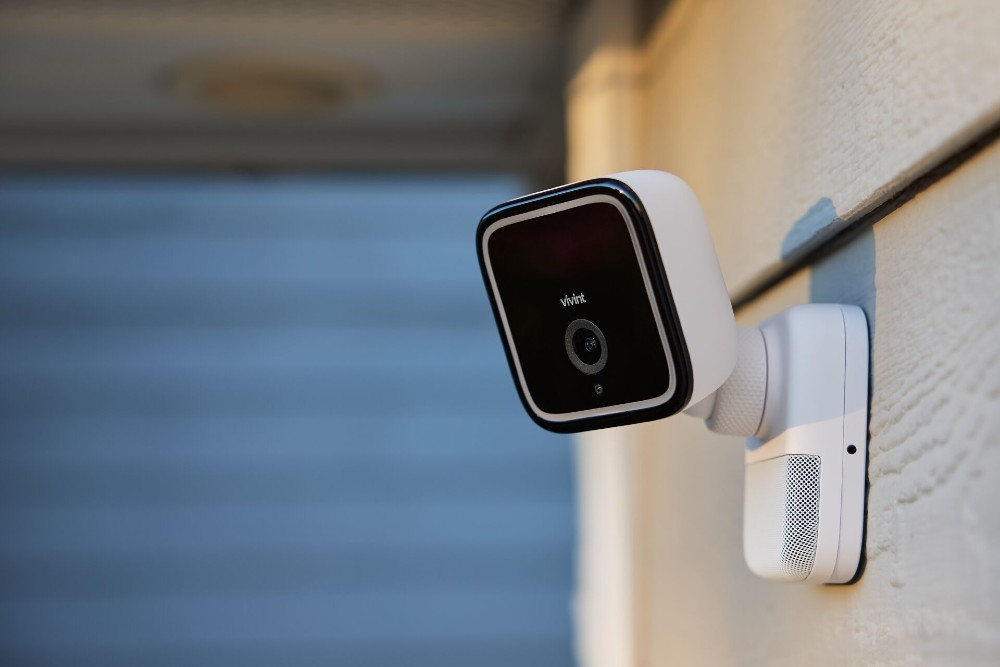
How Vivint cameras keep you protected
Vivint provides a complete home security system designed to keep recording and monitoring even when your internet connection fails. The Vivint Outdoor Camera Pro is Wi-Fi enabled, but thanks to Playback, it continues recording locally during outages. This means your camera won't miss a moment, even without a live Wi-Fi connection.
What sets Vivint apart is this dual-layer system. Cameras use Wi-Fi for remote viewing, notifications, and live view features, while the broader system relies on cellular monitoring backup. If Wi-Fi goes down, your security system will still function, and professional monitoring will remain active.
Beyond reliability, Vivint cameras deliver high-quality video and advanced features. With night vision, two-way audio, and mobile app access, you can see and speak to visitors, review footage, and stay connected to your property anytime. Seamless smart home integration ensures your cameras work with other devices for whole-home protection.
For homeowners and small businesses, Vivint professional monitoring provides peace of mind, ensuring that protection remains in place, regardless of the circumstances.
Related article
Security Cameras Without Subscriptions: Are They Worth It?
Benefits of security cameras without Wi-Fi
Even the best security cameras don't need Wi-Fi to provide valuable protection. Non-Wi-Fi options deliver several key advantages:
- Stronger privacy. A non-Wi-Fi security camera stores footage offline, avoiding common hacking risks
- Greater reliability. Security cameras work without interruption in outage-prone or low-connectivity areas.
- Lower costs. Some systems have no monthly fees or subscription requirements, making them cost-effective in the long run.
- Flexible setups. These cameras function well for farms, cabins, temporary sites, or other remote properties where an internet connection isn't practical.
By considering security cameras that do not require an internet connection, you can balance high-quality protection with reliability and savings.
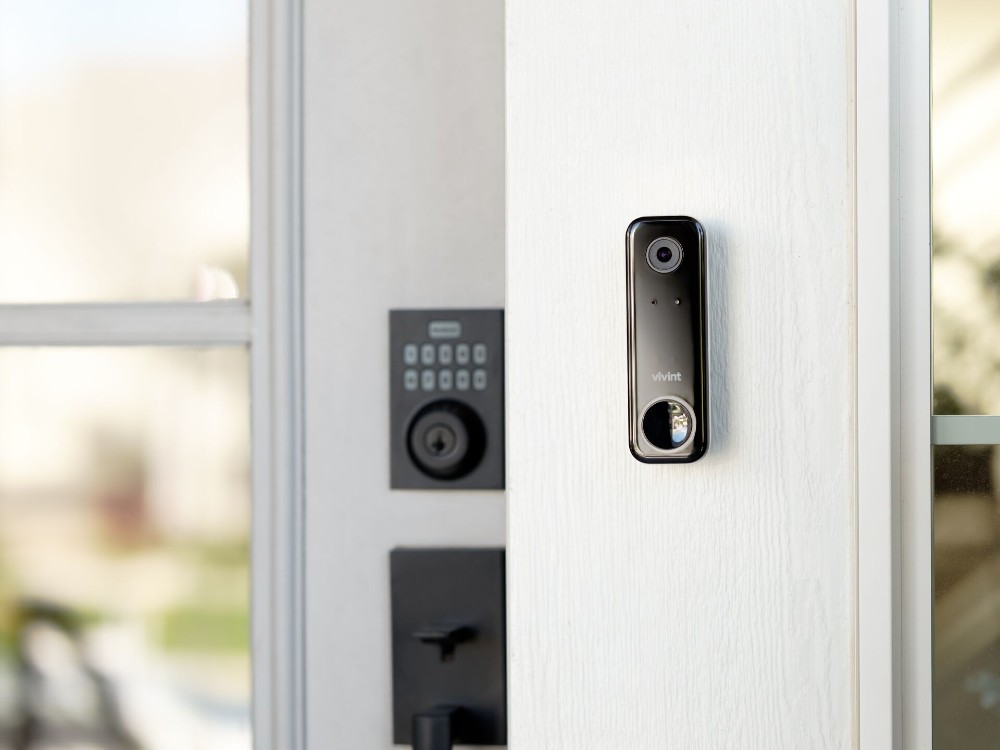
What to consider before choosing a non-Wi-Fi camera
While security cameras without a Wi-Fi connection can be effective, they have some downsides. The biggest drawback is limited remote access. Without a router and internet, features like mobile app controls, notifications, and real-time monitoring won't be available.
Other factors to consider include:
- Storage capacity. Non-Wi-Fi cameras rely on hard drives or MicroSD cards for recording, which can eventually fill up.
- Power supply. A consistent power source—whether Ethernet with PoE, batteries, or solar—is essential to keep the camera running.
- Overall costs. While standalone options may cut monthly fees, replacing storage cards, maintaining batteries, or scaling a system can add up.
Many homeowners weigh these trade-offs against the reliability of professional monitoring. Vivint combines both approaches: local recording with Smart Drive plus cellular backup, ensuring your security system stays active even during internet outages.
| Wi-Fi vs. non-Wi-Fi cameras | ||
|---|---|---|
| Feature | Wi-Fi cameras | Non-Wi-Fi cameras |
| Remote access | Full access via mobile app and cloud | Limited; local access only |
| Cost | May include subscription fees for cloud storage | Lower upfront cost, but hardware/storage adds up |
| Reliability | Dependent on router and internet connection | Stable performance, fewer connectivity issues |
| Monitoring | Variable depending on the camera | Variable depending on the camera |
| Smart home features | Integrates with smart home devices | May be limited or unavailable |
Related article
Vivint Security Cameras that Whistle
Keep your property secure with Vivint security cameras
Outdoor security cameras can work without Wi-Fi through wired, cellular, and local storage setups. These systems provide flexibility and resilience, especially in outage-prone or remote areas.
Vivint stands out with its dual protection. It uses Wi-Fi-enabled cameras to provide live viewing and notifications, plus cellular backup to ensure your home security system continues to function regardless of circumstances. With professional monitoring and smart home integration, Vivint takes an all-around approach to safety.
Explore Vivint's security camera solutions today to find a package that fits your needs and keeps your home secure.
Contact Vivint today for a free quote at 855.822.1220
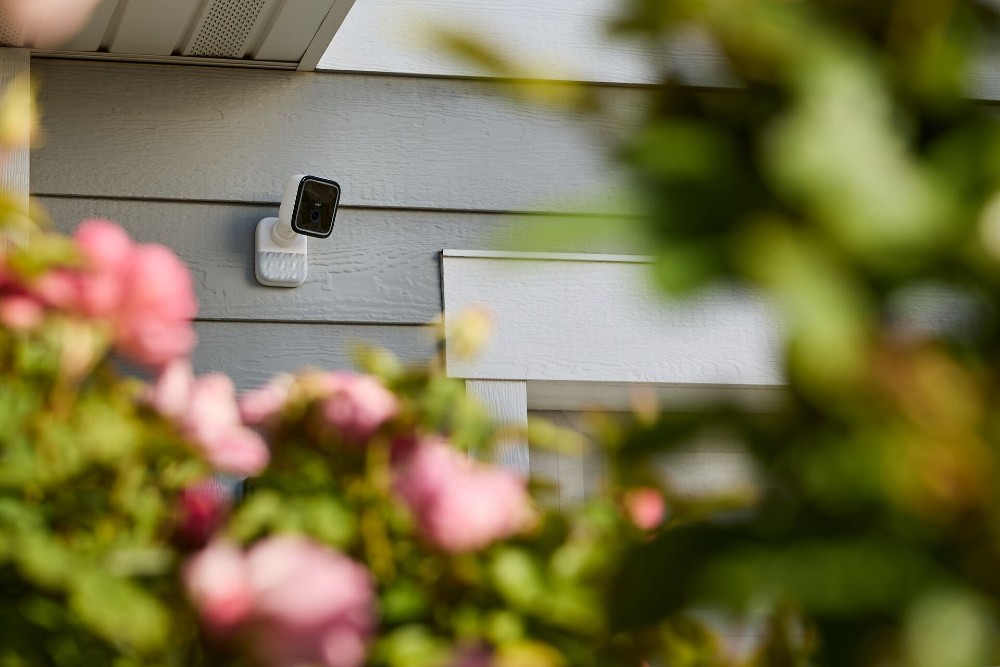
FAQs about security cameras without an internet connection
Some homeowners wonder whether a non-Wi-Fi security camera is a good fit for their situation. Let's review answers to the most common questions about using security cameras without internet, with insight into how Vivint ensures continuous protection.
What are the benefits of using security cameras without Wi-Fi?
The main benefits of going without Wi-Fi include stronger privacy, reduced hacking risks, and dependable performance in off-grid areas where internet access isn't reliable. These systems often work with alternative power sources, such as batteries or solar panels, making them flexible for cabins, barns, or temporary sites. With no subscription requirements, some setups also save money compared to cloud-based models.
Should you get a smart home security system?
A smart home security system goes beyond cameras. It integrates alarms, sensors, and cameras into one mobile app for real-time control and notifications. Vivint offers a professionally monitored home security system with both Wi-Fi and cellular backup, ensuring continuous coverage even during outages. Features like Smart Drive storage and automation tools make it easy to manage security and convenience in one place.
How do you set up an IP camera without internet?
Instead of connecting to Wi-Fi, these IP cameras use Ethernet cables to link directly to a DVR or NVR system for local storage. You need a stable power supply and a compatible recorder to reliably record video without relying on online access.
Do Vivint cameras keep recording even when the Wi-Fi is down?
Yes, core features continue working during network outages. Because Vivint smart home security cameras with Smart Deter™ do their AI processing on the device rather than the cloud, they can stay active during Wi-Fi interruptions. While Vivint Smart Deter™ core detection and deterrence happens on the device, full app functionality depends on your connectivity. Local features, like detection and deter features, will often still work even during an outage. Remote access, live viewing, and notifications on the Vivint app require Wi-Fi access.
Get a free quote today.
A Vivint Smart Home Pro will contact you within 24 hours. Or skip the form and call now: 844.481.8630.
Everything works together
Combine products
for a safer home
You may also like:
Security Cameras
What Can You Do From a Security Camera App?
Oct. 06, 2026

Security Cameras
How Many Home Security Cameras Do I Need?
How many security cameras you need often comes down to having enough cameras to effectively cover the most vulnerable and important areas of your home.
Sep. 22, 2026

Security Cameras
Do Vivint Cameras Work Without Wi-Fi?
Learn how Vivint cameras work without Wi-Fi, what happens to recordings during an internet outage, and which security features stay connected.
Sep. 18, 2026
Related content
-
How Do Wireless Security Cameras Work?
Wireless home security cameras work by transmitting the camera’s video through a radio (RF) transmitter. Here’s how they work.
-
Wireless Security Camera Buying Guide
Secure your home with our buying guide for wireless security cameras. Expert advice on selecting the perfect camera, whether for indoor or outdoor surveillance.
-
Security Cameras Without Subscriptions: Are They Worth It?
Are security cameras without subscription fees worth it? Learn about local storage, pros and cons, and why professional monitoring may save money.


