
Discover the top hidden gem cities for 2026 that combine safety, affordability, and growing housing demand.
How to Pack Your House for a Move: 9 Tips
Quick summary: Pack the least-used rooms first: Spots like the attic, garage, and storage areas. Then, work our way toward bedrooms and essential items last.
Key takeaways
- Pack rooms from least to most used. Start with storage areas (attics, garages, sheds) 4–6 weeks before moving, and save daily use areas (bedrooms) and essential items for last.
- Declutter as you pack. Donate, sell, or discard items you no longer need. This will reduce what you have to pack and move.
- Label and color-code boxes. This makes unpacking easier by helping movers know which rooms to place your boxes in.
- Start early. Start 4–6 weeks before your move if possible. This ensures you aren't rushed on moving day. Aim to have everything boxed up before the moving truck arrives.
- Keep essentials accessible. Pack a separate bag or box with items you'll need immediately. Think toiletries, phone chargers, and a change of clothes.
One of the worst parts of moving? Packing. Which room will you pack first? What materials and boxes will you need to keep everything protected? And how will you fit it all in the moving truck without damaging furniture or other valuable items?
Preparing for your move can make all the difference when it comes to moving day. Check out these moving packing tips to make your move as smooth and stress-free as possible.
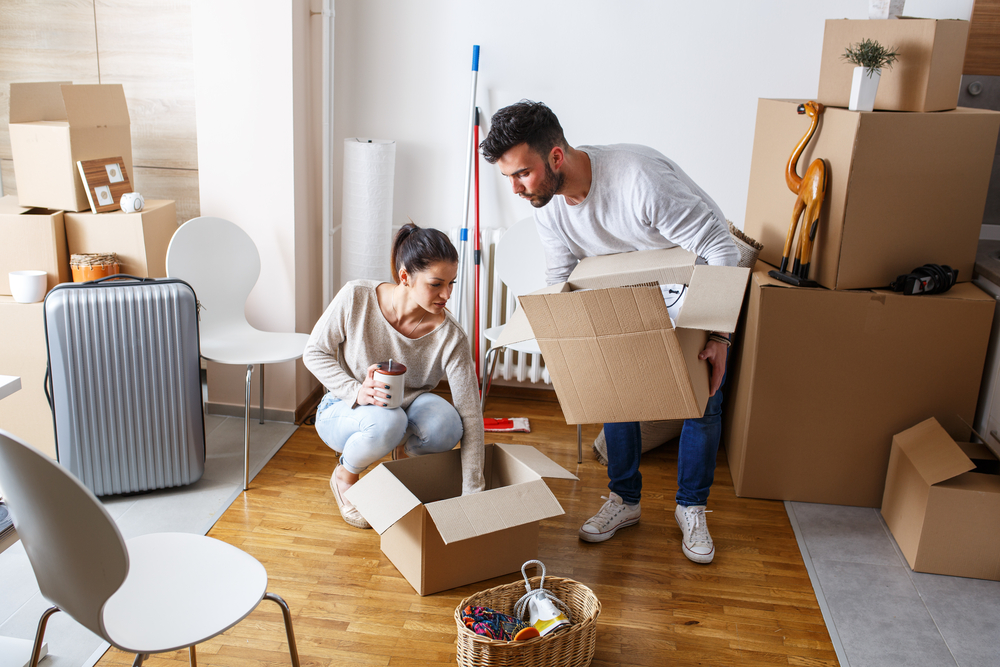
1. Pack in the right order
| Room(s) | When to Pack | Tips |
|---|---|---|
| Attic, Garage, Shed | 4–6 weeks out | These rooms contain rarely-used items that can get packed far in advance |
| Spare Rooms | 3–4 weeks out | Guest bedrooms are an easy early win |
| Closets | 2–3 weeks out | Box up off-season clothes and extra linens first |
| Living Room/Family Room | 2 weeks out | Books, games, and decor can get packed away early |
| Kitchen | 1–2 weeks out | Pack non-essentials in advance—leave daily dishes and food |
| Bathrooms | 1–2 weeks out | Leave daily toiletries and essentials accessible |
| Bedrooms | Morning of | Pack the morning of moving day. You'll need your bed and daily essentials until then. |
| Loose Ends & Essential Items | Day of | Gather forgotten items and pack your essentials bag (toiletries, phone charger, medications, change of clothes) |
Which room should you pack first when moving?
When preparing for moving day, pack up the least-used rooms first:
- Attic, garage, and shed: Start 4–6 weeks out. Items stored in these areas are rarely used.
- Spare rooms: Tackle 3–4 weeks out. Guest bedrooms are easy early wins.
- Closets: Pack 2–3 weeks out. Box up off-season clothes and extra linens you will not use in the weeks before leaving.
- Living room and family room: Start packing 2 weeks before. Items like books, games, and decor can go early. This is also a good time to pack bedroom non-essentials.
- Kitchen: Pack non-essentials 1–2 weeks before. Leave daily dishes and food.
- Bathrooms: Pack non-essentials 1–2 weeks before. Leave daily toiletries accessible.
- Bedrooms: Pack the morning of moving day. You'll need your bed and daily essentials until then.
- Loose ends and essential items: On the final day, gather forgotten items and pack your essentials bag. Pack toiletries, phone chargers, medications, and a change of clothes.
Related article
How to Move Across the Country
2. Declutter as you pack
As you pack up your home, carefully assess your belongings. Now is the perfect time to donate, sell, or discard items you no longer use. There's no use in packing something you don't use—this will reduce cost and workload on moving day.
3. Label every box
Labeling and color-coding boxes makes unpacking significantly smoother. By labeling your boxes ahead of time, you'll make it easy for movers to see where things belong at a glance. This means boxes that belong in the bedroom of your new home end up in the bedroom—not in the entryway, leaving you to put things in the right place later.
4. Pack an essentials box for day 1
Take care not to pack essential items in disparate boxes. Instead, have an "essentials" box for everything you'll need early into your move. Include items such as:
- Phone chargers
- Medications
- Snacks
- Toilet Paper
- Soaps and other toiletries
- Clothes
- Important documents
Related article
4 Simple Tips to Make Moving Easier
5. Don't overpack boxes
While it may be tempting to stuff every box to the brim, this may present challenges when moving day arrives. Heavy boxes are harder to move and more likely to break. Keep them manageable to reduce issues and keep things moving smoothly.
6. Invest in the right packing materials
By getting the right packing materials, you set yourself up for success. Sturdy boxes that are less likely to break, packing paper to shield easily-scratched dishes, and bubble wrap to cushion breakable items can prevent simple accidents from costing you a lot of money.
7. Take photos before disconnecting electronics
Snap a quick picture before disconnecting any electronics at your old place. This makes reassembly much easier when you arrive at your new home—you will know exactly how to configure your electronics rather than having to play around with cords to get things up and running.
8. Schedule utilities in advance
Take some time to call your new utility companies and ensure service won't be interrupted between when the previous owners move out and you move in. That way you can focus on unpacking and making yourself at home, not spending hours on the phone. You'll want to set up:
- Electricity
- Water
- Internet
- Any other location-specific utilities you may have
9. Don't forget a security system
A security system is essential for protecting your home and family. Whether you have a current Vivint system and want to move it to your new home or need to purchase a new system, Vivint has you covered.
If you have a current Vivint system, click here or call us at least two weeks in advance of your move. You can remove the equipment yourself or have a Smart Home Pro come to you and remove your existing devices. Either way, you'll get Vivint's industry-leading professional installation at your new home.
And if you don't have a Vivint system, but want to install one in your new home, give us a call today at 800.646.1469. Enjoy your packing and have a great move!
Get a free quote today.
A Vivint Smart Home Pro will contact you within 24 hours. Or skip the form and call now: 844.481.8630.
Everything works together
Combine products
for a safer home
You may also like:
Home & Family
Hidden Housing Gems: A Look at America's Upcoming Safe and Affordable Cities

Home & Family
The Safest Cities for Snowbirds 2026
Discover the safest U.S. cities for snowbirds in 2026, ranked by winter crime rates, climate, and urgent care access.

Home & Family
What Holiday Homes Look Like in Every State
Ever wondered how each state decorates for the holidays? These festive, AI-generated homes bring the magic coast to coast.
Related Content
-
Elderly Home Safety Checklist: Make Home Safer For Your Parents
For loved ones of aging parents, home safety is a top concern. Use this elderly home safety checklist as you work to make aging in place safe.
-
How to Move Across the Country: Everything You Need to Know
The best way to move across the country is to be prepared with a moving checklist. A little preparation before your move can make all the difference.
-
4 Simple Tips to Make Moving Easier
Moving can be overwhelming, but it doesn't have to be. Keep these packing and moving tips in mind as you start planning a move.


