
Sliding glass doors are a common target for break-ins. See the 4 tactics burglars use, the fixes to stop each one, and the right setup for your home.
Debunking Home Security Myths
Key takeaways
- Nearly 40% of people think break-ins don't happen that often.
- Americans without security systems or cameras are 80% more likely to feel "not at all safe" at home.
- The top 3 home security features most recommended for first-time homebuyers are security cameras (68%), video doorbells (54%), and alarm systems (41%).
- 73% of homeowners think buyers should install a home security system before moving into a new home
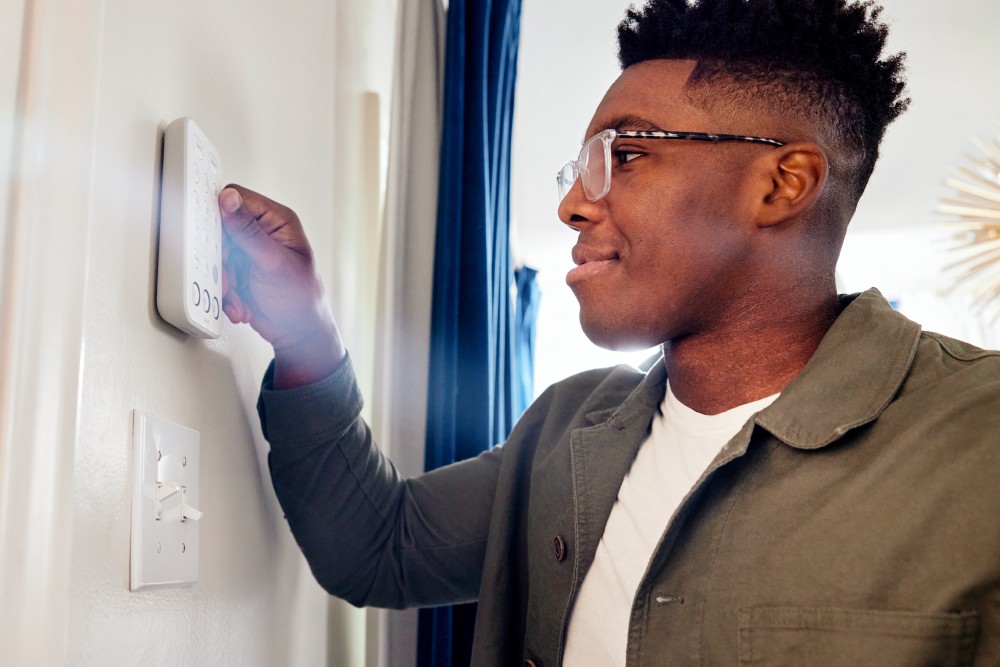
Why busting home security myths matters
Old myths about home security can put you at risk. Even though security systems have come a long way, many homeowners still believe things that could actually make them less safe. We surveyed 1,014 Americans to find out what people are getting wrong and what they should be doing instead.
Knowing the truth behind these myths makes it easier to pick the right alarm system, security cameras, and monitoring services for your home.
Top home security myths—and the truth behind them
What you believe about home security could end up hurting you. Here are some of the most common myths, and why they just don't hold up.
Myth: Burglars only break in through the front door or windows
Reality: Sure, windows and front doors are typical targets, but a lot of break-ins happen through spots like garages and basements. A solid security setup should cover every possible way someone could get in—not just the obvious ones.
How burglars usually get in:
- Garage access. Weak garage doors are easy to break into quietly.
- Basement entry. These areas are hidden and often not well secured.
- Unlocked side doors. If no one can see the door from the street, intruders might see it as an open invitation.
A good home security system should have sensors on doors and windows, garage monitoring, and full coverage of any weak spots.
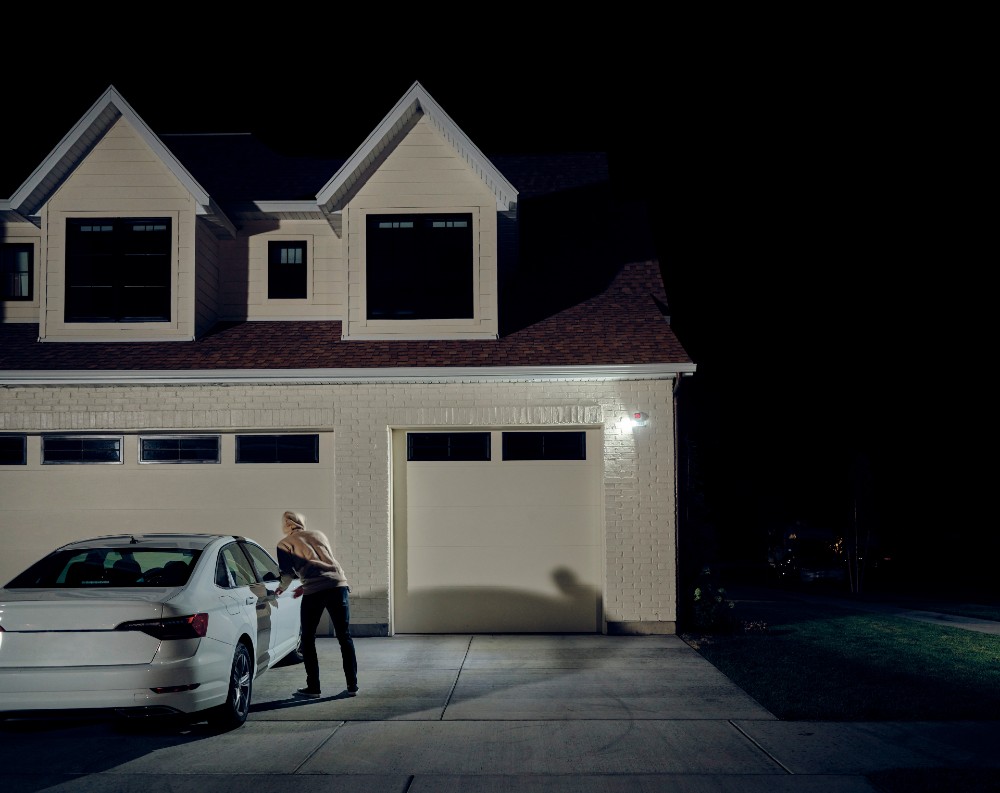
Myth: Home invasions are rare
Reality: A burglary happens in the U.S. every 26 seconds. Still, nearly 40% of people think break-ins don't happen that often. But the risk is real, and climbing—especially in high-crime areas.
Here's what the numbers say:
- Frequent burglaries. Over 800,00 burglaries took place in the U.S. in 2024, many in broad daylight.
- Unoccupied homes. Most happen when no one's home, not in the middle of the night.
- Repeat targets. Homes without alarm systems are three times more likely to be broken into.
This is why getting solid monitoring services and home protection is a smart move—before something happens.
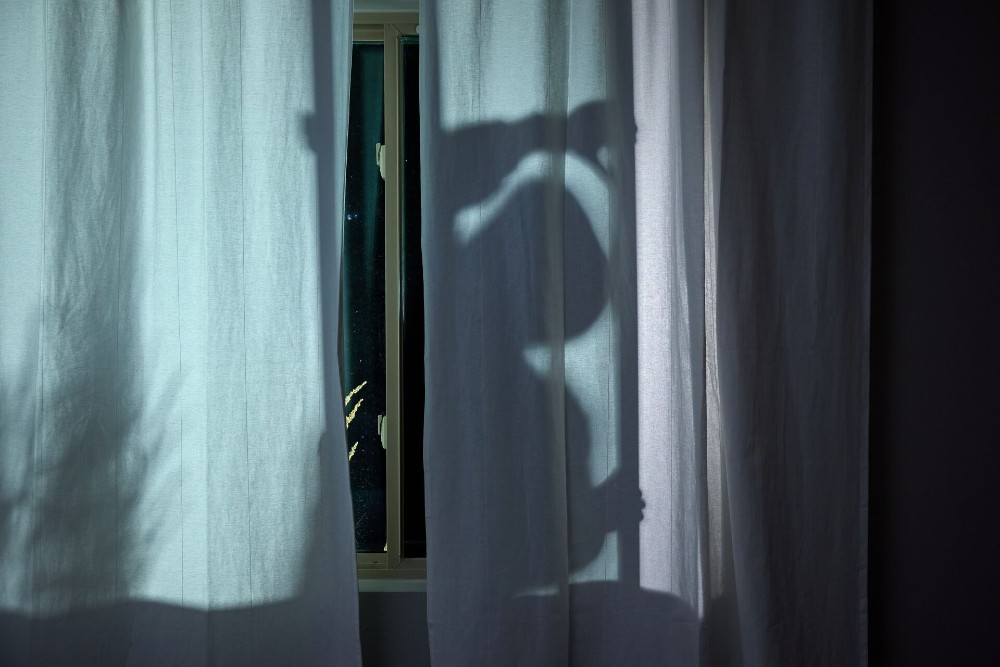
Myth: My dog is all the protection I need
Reality: Dogs can alert you to trouble, but they can't call for help during a burglary or fire. A home alarm system with professional monitoring can.
Why dogs aren't enough:
- They can't call 911. Nor can they send alerts to your smartphone.
- Some burglars just ignore dogs. Or, they'll use treats to distract them.
- Dogs can't alert you to fire or carbon monoxide. If no one is around to notice, there's nothing your dog can do—and that puts them at risk, too.
A professionally monitored security alarm system gives you round-the-clock protection no pet can match.
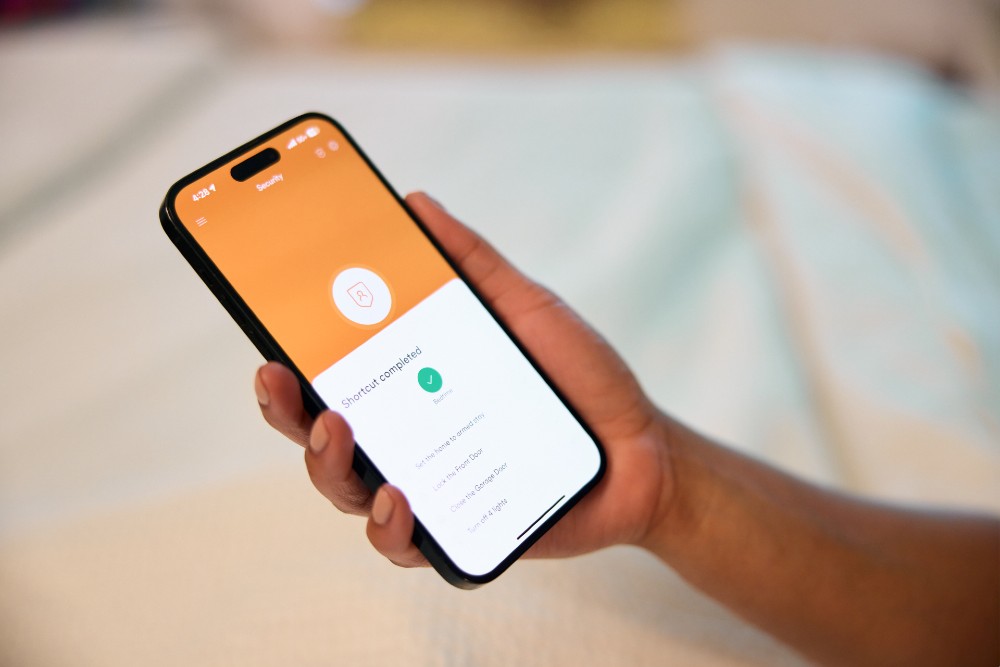
Myth: Security cameras invade your privacy
Reality: Today's cameras have privacy controls, like letting you choose when they record or when to pause. Being able to watch your home in real time gives you way more peace of mind than any small hit to privacy.
How modern security cameras protect your privacy:
- You make the decisions. Choose when they record, or don't.
- Footage is encrypted. It's then sent over secure Wi-Fi or cloud systems.
- Custom alerts only send notifications for action in specific areas. This way, you're not getting extra footage you don't want.
So you stay in control and still get important visibility and protection.
Myth: All home security systems are the same
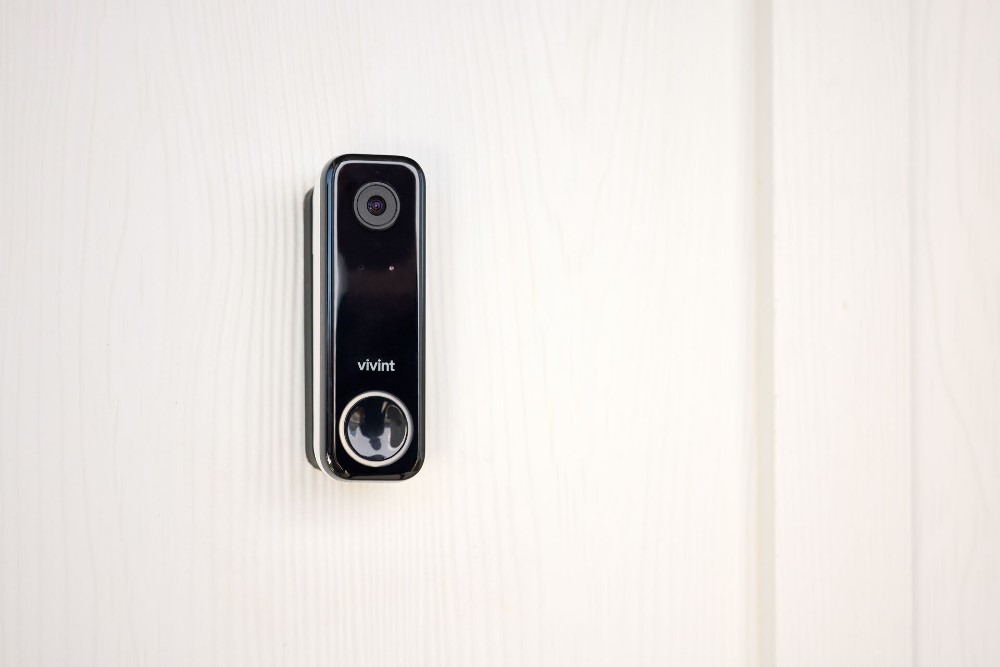
Reality: Not even close. Features, tech, and monitoring quality vary a lot between providers. Take Vivint—they offer Smart Deter tech and pro monitoring that go way beyond basic DIY motion detectors.
What makes providers different:
- Advanced features. Vivint Smart Deter uses lights and sounds to scare off intruders.
- Professional installation. Some companies handle setup for you; others are totally DIY.
- Smart automation. The best systems work with smart home devices to do more.
Not every security company gives you the same tools or experience, so go with one that fits your security needs.
Myth: Security systems are too complicated to use
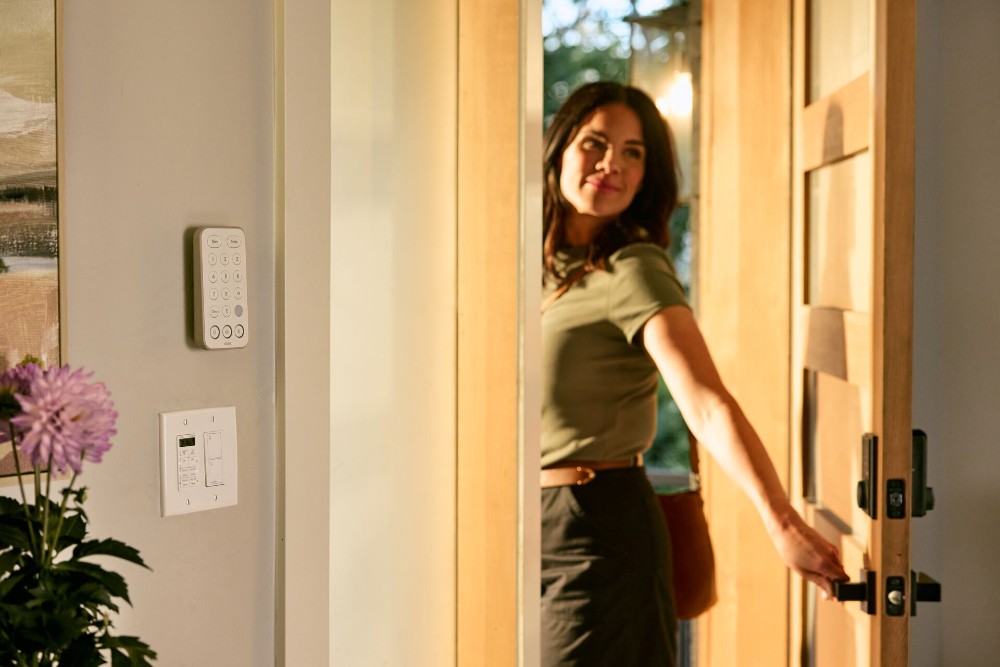
Reality: Today's systems are built to be simple. You usually control them with an app or a smart control panel. The Vivint app, for example, gives you real-time alerts and remote access.
Why modern systems are easy to use:
- Smartphone control. You can arm or disarm, get alerts, and check cameras from anywhere.
- Touchscreen panels. The Vivint Smart Hub lets you run everything from one spot.
- Helpful support. If something goes wrong, customer service is there to help.
Today's home alarm systems are built to be easy, even if you're not tech-savvy.

What real homeowners say about security
We found that Americans without security systems or cameras were 80% more likely to feel “not at all safe” at home. When asked to share their best home security advice, homeowners with security systems said:
- Secure every entry point. Lock your doors and windows, and don't share travel plans on social media.
- Pick the right provider. Compare companies based on features, price, and whether they offer professional installation.
- Keep your system in good shape. Replace batteries often and regularly test your motion sensors and alarms.
These tips show it's not just about having the gear, but how you use it, too.

What actually prevents home invasions and theft
We asked which security devices actually helped people avoid serious incidents. Here's what they told us:
- Smart locks. These were the most common devices people credited with stopping break-ins or invasions.
- Video doorbells. Great for stopping porch pirates and letting you talk to visitors live.
- Motion-activated lights. Keep solicitors away and catch intruders by surprise.
Other useful gear included security bars, which helped prevent mail theft, vandalism, and even stalking.
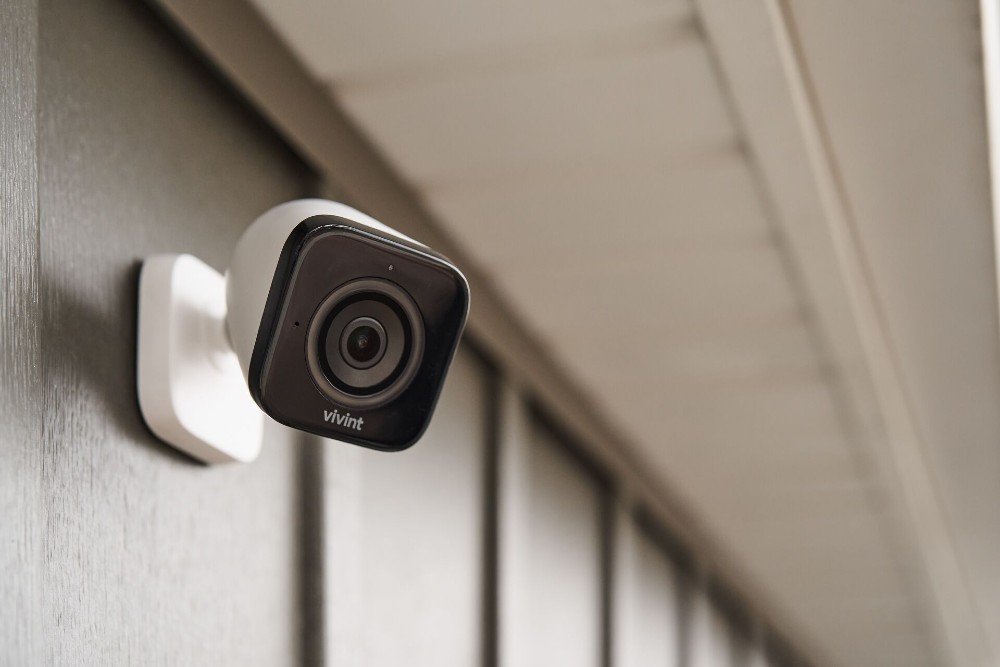
A good mix of alarm systems, smart cameras, and monitoring services can really lower your risk and protect your home.
First-time homebuyer security tips
Most homeowners agree to start with security before moving in. According to the survey:
- Homeowners recommend acting early. 73% said buyers should install a system before they move.
- Recommended spend. People suggested starting with a budget of around $600 for basic equipment.
- Top features. Most people recommend security cameras (68%), video doorbells (54%), and alarm systems (41%).
Other advice included:
- Get the right setup. Match your system to your home's layout and your comfort with tech.
- Use neighborhood watch apps. Apps like Nextdoor let neighbors share alerts about suspicious activity.
- Go wired when possible. It's more reliable and cuts down on false alarms.
These early steps help you build a safer home and may even cut your home insurance premium.
How a security system brings peace of mind
Security isn't only about stopping a break-in—it's about how safe you feel at home. Here's what our survey found:
- Lack of protection increases fear. People without security systems are 80% more likely to feel "not at all safe" in their own home.
- Mobile access adds confidence. Real-time alerts and remote control let you check in on your home from anywhere.
- 24/7 monitoring offers backup. Professional services keep an eye on things, even when you're asleep or away.
- DIY setups work for renters. These systems don't need a phone line and connect easily over Wi-Fi.
These features help create peace of mind, whether you own or rent.

Why modern security beats old myths
If you're still hanging on to outdated ideas about home security, here's what 2025 showned us:
- Today's systems are way smarter. They come with automation, smartphone control, and real-time alerts, so keeping tabs on your place is easy.
- Insurance discounts help cover the cost. Many insurance companies offer 5–15% off your premium if you've got a monitored alarm system.
- Break-ins still happen. But now we've got real ways to stop them. Whether you're dealing with suspicious activity or trying to reduce your insurance premium, a system like Vivint gives you solid protection.
Don't let myths leave your home unprotected
Knowing the truth helps keep your home safer. Don't let outdated myths about alarm systems and security devices put your household at risk.
Modern home security systems—from motion sensors and outdoor cameras to real-time alerts and professional installation—are simpler to use and more effective than ever. With options from top providers like Vivint, there's a setup that works for every home and budget.
Ready to upgrade your home security? Don't let myths keep you unprotected. See what smart security really looks like with Vivint and get your free quote today.
Methodology
Vivint surveyed 1,014 Americans about their home security setup and preferences. Of these respondents, 582 were homeowners, 350 were renters, and 82 lived rent-free. Online research was also conducted to determine the facts about home security myths.
Fair use statement
If you found this article useful, we encourage you to share it. But please only do so for non-commercial purposes and provide a link to this page as a credit to our research findings.
Get a free quote today.
A Vivint Smart Home Pro will contact you within 24 hours. Or skip the form and call now: 844.481.8630.
Everything works together
Combine products
for a safer home
You may also like:
Home Security
How To Secure a Sliding Glass Door: 4 Burglar Tactics and the Fixes That Stop Each One
Jun. 05, 2026

Home Security
Just Moved? Now's the Time to Consider a Security System
Moving to a new home and new neighborhood is the perfect opportunity to install a home security system to protect your investment.
Jun. 02, 2026

Home Security
Securing Your Home: The Pros and Cons of Keypad vs. Keyless Entry
Compare 5 keyless entry door lock features, see how safe each one really is, and pick the right setup for your home, rental, or business.
Jun. 01, 2026
Related Content
-
Eye-Opening Home Burglary Statistics in 2024
Unveiling eye-opening home burglary stats: Learn how burglars select targets and safeguard your home against their tactics.
-
Unveiling the Truth: How Effective Are Home Security Systems in...
Discover the truth about home security systems: Do they truly deter crime? Unveiling insights from experts and criminals.
-
How Lawn Care Affects Home Security
Explore the relationship between yard care and home security from our survey insights on landscaping choices and burglary risks.


