
Aging in place doesn’t have to be dangerous. With the Vivint Emergency Pendant, help is just one push of a button away.
How Does a Smart Water Leak Sensor Prevent Flood Damage at Home?
Quick answer: Water leak sensors use conductive probes to detect wetness. When a sensor detects water, it sends an immediate alert to your phone. This lets you take action immediately. Instead of discovering flooding in your house when you return from vacation or finding mold under your sink from a drip, you can save thousands of dollars by stopping damage before it has a chance to progress.
Key takeaways
- Water leak sensors detect moisture within seconds using conductive probes. When a sensor detects water, it sends an instant alert to your phone or smart home hub.
- Place leak sensors near water heaters, under skinks, behind toilets, in basements, and in other areas where water damage may happen.
- Water sensors connected to a whole-home system can integrate with shut-off valves, stopping water flow the moment it’s detected.
- Your homeowners insurance company may offer a discount if your home has a leak detection system installed.
- Water sensors cost anywhere from $15 for basic sensors to $600+ for whole-home systems with automatic shutoff valves.
What is a water leak sensor?
A water leak sensor is a device that detects moisture using small conductive probes. When it detects moisture, it sends an alert so you can prevent water damage from burst pipes, appliance failures, or hidden leaks.
Water damage is among the most expensive home hazards, which is why smart, real-time leak detection matters. Unfortunately, one out of every four homes suffers thousands of dollars in water damage each year.
A smart water leak detector uses small conductive probes to identify moisture and send instant alerts through your smart home system, offering confidence and quick response before a small leak becomes a major repair.
This guide explains how these devices work, where to place them, and how they integrate with your home for better protection and peace of mind.
How do water leak sensors work?
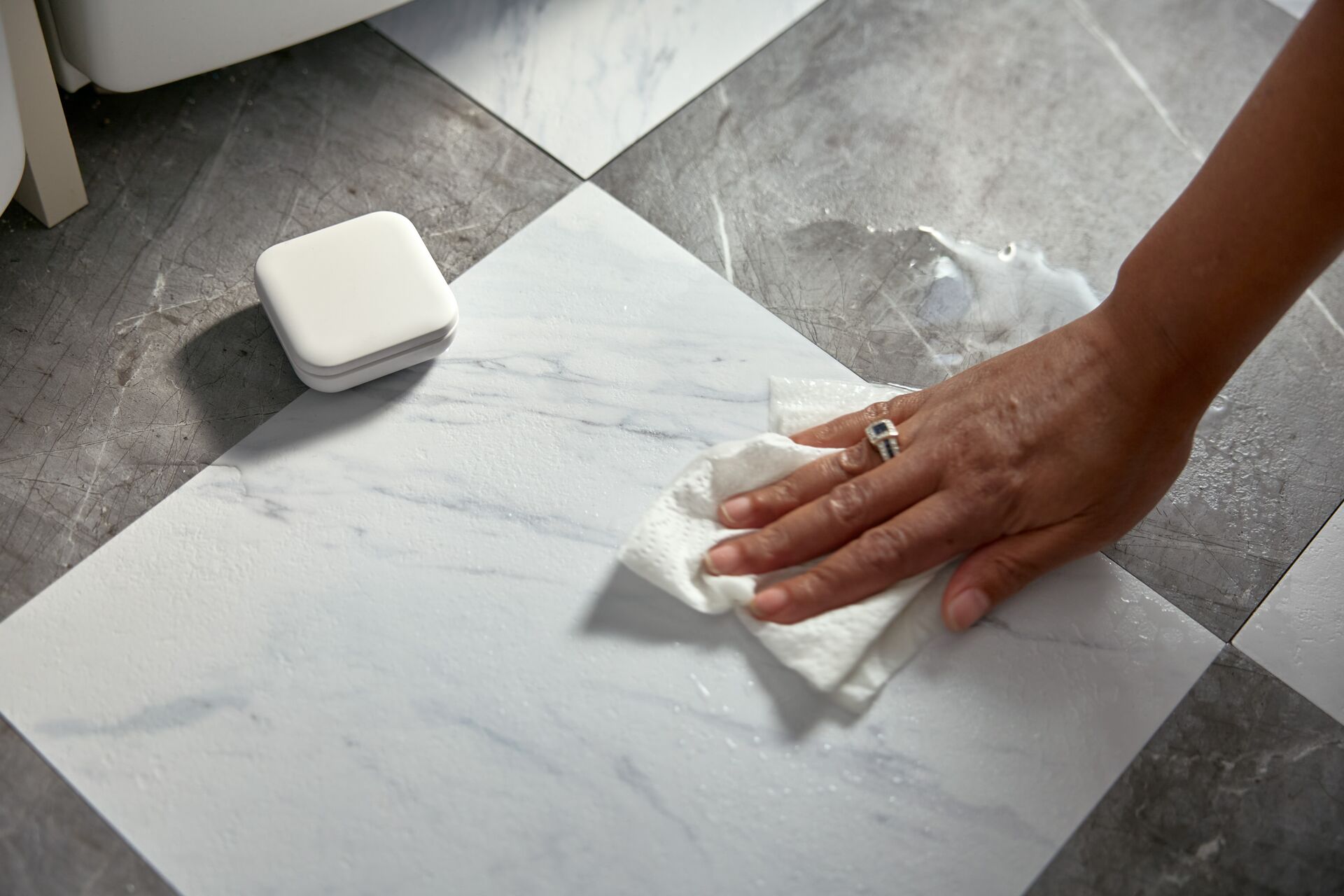
A water leak sensor uses small, conductive probes to detect moisture. When water contacts the probes, the sensor jumps into action. It either sounds an audible alarm or sends a signal through Wi-Fi, Zigbee, or a proprietary wireless system to your hub or mobile app, triggering a leak alert in real time. Here’s a quick step-by-step breakdown:
- Water touches the leak sensor’s probes.
- The water triggers the leak sensor’s circuit.
- The sensor transmits an alert via Wi-Fi or Zigbee/Z-Wave.
- You receive an alert via push notification or security hub alert.
Most sensors include three core components:
- Conductive probes. Detect water and trigger the initial signal.
- Internal circuitry. Interprets moisture contact and activates the alert.
- Wireless transmitter. Sends notifications to your phone or smart home hub.
These devices can operate as standalone leak detection tools or as part of a full home security system for more connected protection.
Are water leak sensors and flood sensors the same thing?
While these terms are used interchangeably, there are technically differences between leak sensors and flood sensors:
- Water leak sensors detect small amounts of moisture from drips and slow leaks
- Flood sensors detect larger water accumulation, often in basements or low-lying areas
- Moisture detectors measure humidity levels in the air or within walls
For most home protection use cases, a water leak sensor provides proper coverage.
Related article
How Do Water Sensors Work?
What are the types of water leak sensors?
There are several types of leak detectors you can choose from. Some are more suited than others to specific uses, home layouts, appliance needs, and your preferred level of automation.
Battery-powered sensors are the most common, with typical battery life ranging from 1-5 years before needing replacement. Plug-in or inline models connect directly to appliances or plumbing lines for continuous monitoring.
The following comparison looks at standalone sensors versus whole-home systems with shutoff valves.
These options help homeowners customize leak detection based on risk level, appliance setup, and desired response time.
Water leak sensor comparison
| Type | Description | Best Use-Case |
|---|---|---|
| Standard Sensors | Battery-powered devices placed near plumbing fixtures | Kitchens, bathrooms, under sinks |
| Whole-home systems with shutoff valves | Sensors integrated with an automatic water shutoff valve | High-risk homes, vacation properties, aging plumbing |
What triggers a water sensor alert?
A water leak sensor sends an alert the moment moisture completes the conductive path between its probes. That water contact activates the internal circuitry, which then transmits a wireless leak alert through Wi-Fi, Zigbee, or another communication method to your hub, app, or compatible device.
Some water sensor models include temperature-based monitoring to help prevent frozen-pipe issues by warning you when temperatures drop near risky thresholds. They can also be used as flood detectors in the basement or other areas where water can seep through the floor or foundation.
Water leak sensors are designed to react quickly, but they still have limitations. High humidity, steam, or minor condensation sometimes won’t trigger a water leak detector because there isn’t enough sustained moisture to complete the conductive circuit.
The most common triggers involve appliance leaks, plumbing failures, and slow drips that pool long enough for the probes to detect them.
Where should you put water leak sensors?
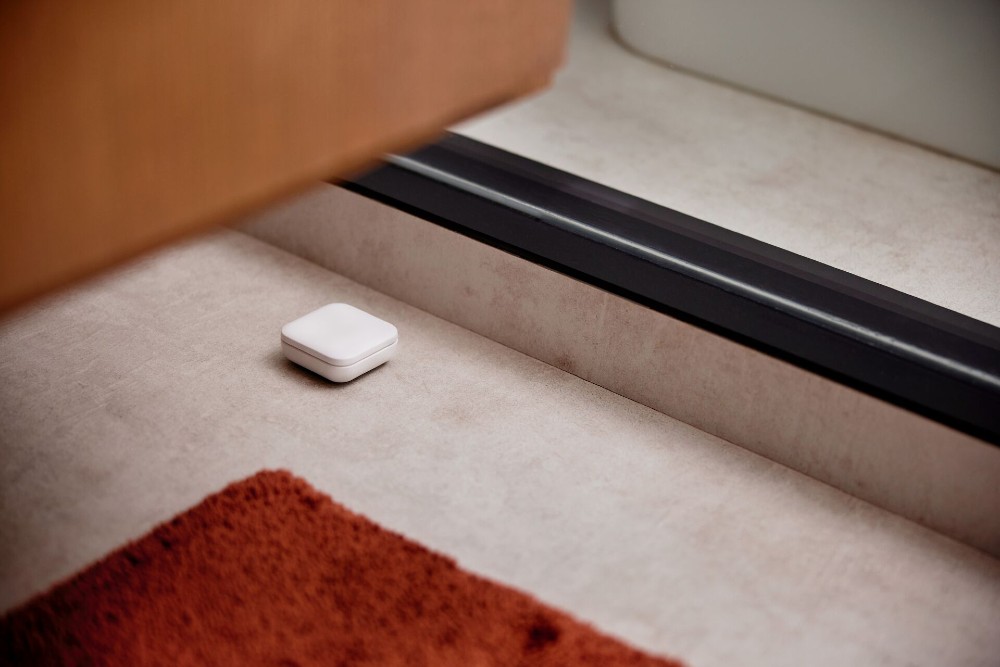
To shorten response time, reduce water exposure, and minimize the potential for lasting damage, place your leak sensors in high-risk areas. Your home’s most leak-prone areas often include plumbing fixtures, appliances, and lower-level spaces.
Best places for water sensors checklist
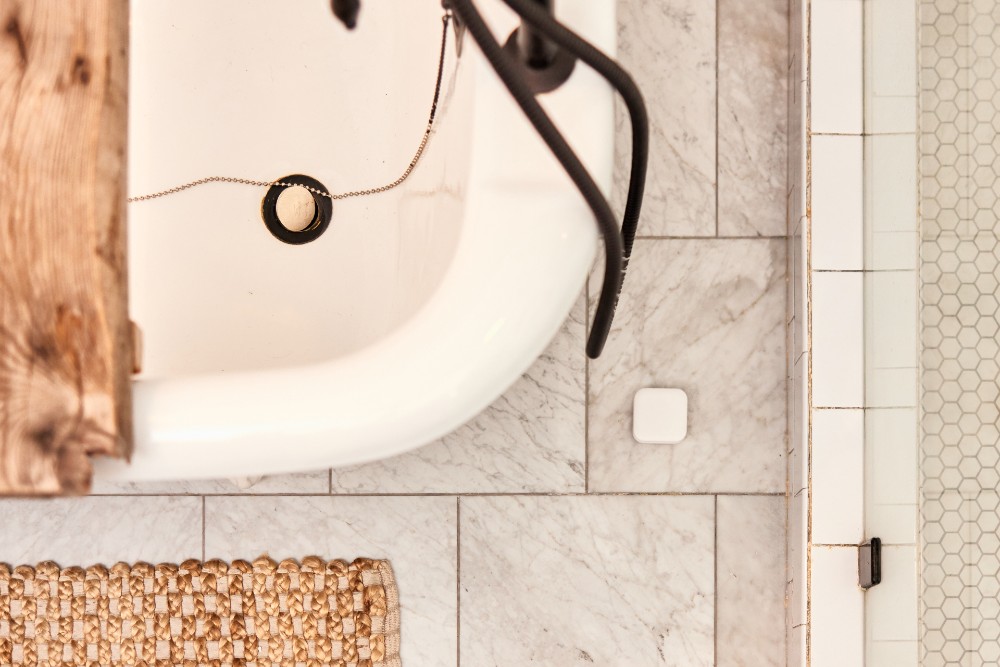
- Under sinks. Kitchen sinks and bathroom sinks are common leak points.
- Behind toilets. Silent leaks can cause long-term damage.
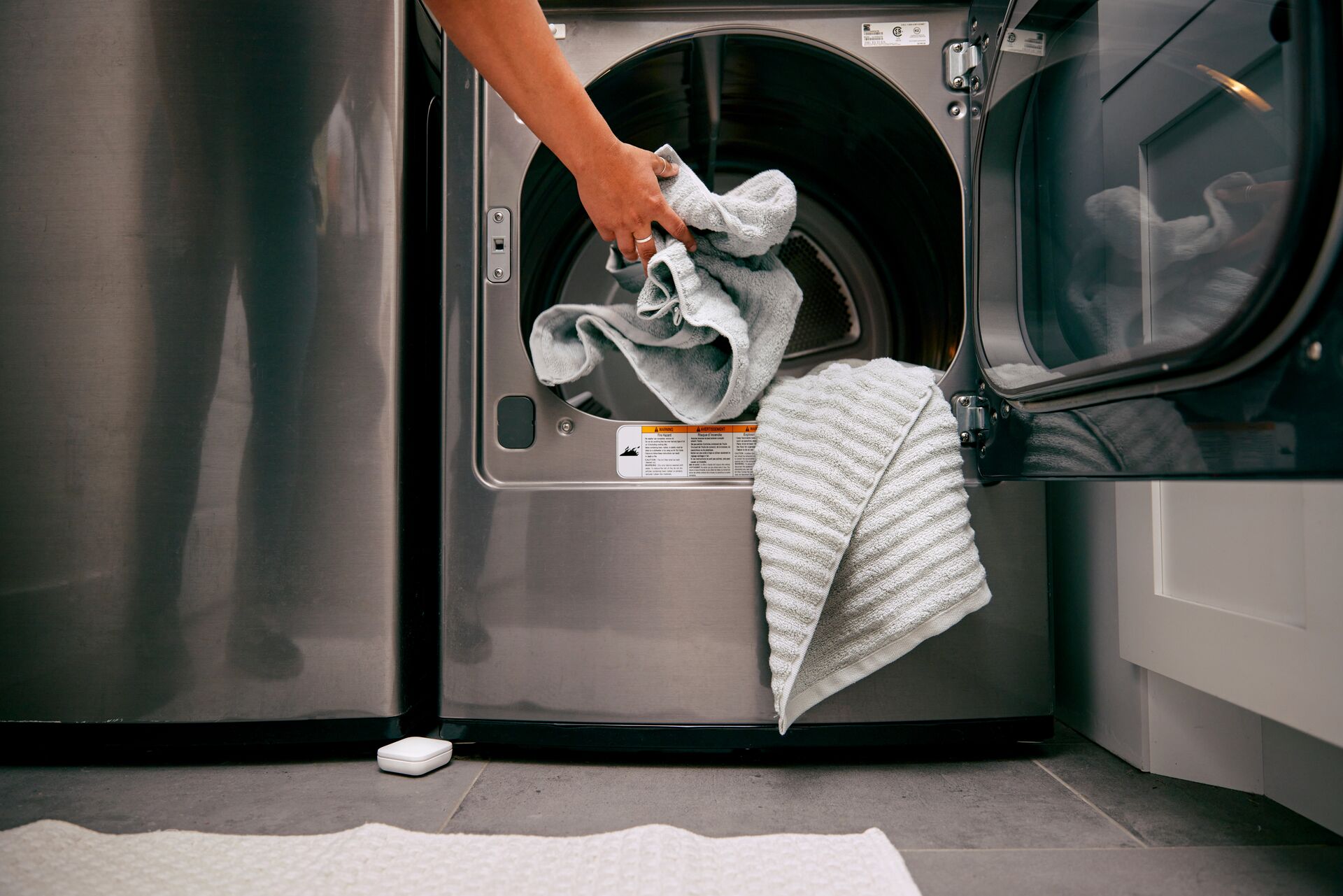
- Near washing machines and dishwashers. Hoses and valves fail more often than expected.
- Around the water heater. Even slow drips can cause major damage over time.
- Basements and crawl spaces. These lower areas benefit from a basement flood alarm due to higher flood and frozen-pipe risks.
- Near exposed plumbing. Pipes vulnerable to a burst pipe or frozen pipe need extra monitoring.
- Near HVAC units and sump pumps. Though often overlooked, these areas can be prone to water issues.
Placing sensors low to the ground, near appliances, and close to plumbing lines helps detect leaks early and provides faster alerts.
Related article
What Is a Smart Home?
Are water sensors smart home devices?
Smart water leak detectors become even more effective when they integrate with your smart home setup.
With Vivint, a Wi-Fi water sensor can send mobile alerts through the app and trigger automated actions that help limit damage. These automations can activate smart plugs, send additional notifications, or close an integrated water valve when supported.
Integration also improves response times. Connected systems work with platforms like Google, Home Assistant, HomeKit (via a HomeKit hub), or standard Wi-Fi and Zigbee networks, helping homeowners manage alerts from anywhere.

How much does a water leak sensor cost?
The greatest impact to the cost of a water leak sensor is the features it offers. Things like connectivity and integration with a broader home security system are typically going to increase the price.
Basic standalone models are typically budget-friendly, while advanced systems with Wi-Fi connectivity, app control, or integrated shutoff valves cost more but offer stronger protection. Installation needs, sensor quantity, and whole-home monitoring features also influence the final price.
Homeowners usually see pricing fall into a few categories:
- Entry-level sensors. Affordable options for basic leak detection sensors typically cost between $15 and $40.
- Mid-range smart sensors. Starter kits that have Wi-Fi or Zigbee capabilities with mobile alerts usually cost between $70-$150.
- Whole-home systems. Advanced systems with automatic smart valves can cost anywhere from $200 to $600, or more.
Up-front vs. long-term savings
Water leak sensors can pay for themselves quickly because early leak detection helps prevent expensive repairs. Even a small appliance leak or slow faucet drip can lead to higher water bills, warped flooring, mold growth, or structural water damage.
According to the U.S. Environmental Protection Agency, 10% percent of households have leaks that waste at least 90 gallons of water on a daily basis. This can cause major problems for your home and waste plenty of hard-earned money.
Fixing those issues often costs far more than the price of a water leak detection sensor. Some insurers offer premium incentives for smart home leak detection devices because they reduce the risk of damage and lower the long-term costs of protecting your home.
When comparing up-front cost to long-term value, homeowners should consider battery life, warranty coverage, and whether the sensor integrates with a shutoff valve. These features help reduce long-term expenses by preventing major water exposure and limiting the need for assistance from a plumber.
Do water leak sensors have insurance benefits?
Your homeowners insurance company may offer a premium discount of 5-10% if your home as a water leak detection system installed. By some estimates, water damage is the second most common type of home insurance claim, so insurers often incentivize protection. Contact your insurance provider to ask about potential discounts for installing a water leak sensor.
Additional cost factors
Several additional factors can influence overall system cost. Homes that need multiple sensors will have a higher up-front investment, while water shutoff valves and whole-home automation features add to the total but offer more comprehensive protection.
Installation requirements also play a role, especially for systems that connect directly to plumbing lines. A professional installation will likely cost you less than a DIY water leak sensor.
Connected platforms or advanced app features may also carry subscription or monitoring fees. Despite the ongoing cost, the value often comes from receiving detailed alerts, automated responses, and more complex integrations into your smart home systems that otherwise would not be available.
Related article
Energy Savings Calculator
Maintenance and reliability
To keep your water leak sensor’s smart controls functioning reliably over time, it’s important to perform regular maintenance and ensure it remains in good working order.
Even the best Wi-Fi water sensor needs periodic checks to confirm it can detect moisture, send notifications, and communicate with your smart home system. Consistent maintenance prevents lapses in coverage, especially in high-risk areas, aging plumbing, or appliances that may be nearing the end of their useful life.
Battery-powered models also rely on stable power, so reviewing battery life and ensuring the sensor stays free of dust or debris improves your sensor’s reliability in the long run. It’s also important to stay on top of your leak detection alerts and app settings, so you can spot unusual activity early.
Routine maintenance
Homeowners can follow a simple maintenance routine to keep sensors performing well:
- Test sensors monthly. Confirm that the probes activate the alert function.
- Replace batteries as needed. A fresh battery ensures consistent power.
- Review app settings and notifications. Make sure alerts reach your phone or hub.
Maintenance best practices
Here are several things you can do to help your water leak sensors stay responsive and deliver ongoing peace of mind:
- Clean the sensors. Wipe away dust or dirt buildup that might interfere with water detection.
- Regularly reevaluate placement. Check locations seasonally, especially if your area receives large temperature swings throughout the year.
- Check for damage. Look for any chips, cracks, or bite marks from pests that could cause the sensor to stop working.
- Confirm notifications work. Verify that alerts reach your device so you don’t miss a leak.
How to choose a water leak sensor
Choosing the right smart water leak detector depends on your home’s layout, plumbing setup, and preferred smart home integrations. Power type, connectivity, and detection sensitivity all influence performance.
A reliable sensor should communicate quickly, support your existing smart devices, and offer strong battery life and a robust warranty for long-term value.
Water leak sensor selection checklist
- Connectivity type. Choose Wi-Fi sensors for connection with an app. Zigbee or Z-wave connection will set you up for connection to a hub.
- Power type. Water sensors can be battery-powered (batteries last 1-5 years) or plug-in.
- Shutoff valve compatibility: Do you want your water sensor to alert you so you can take action, or do you want your water sensor to integrate with automatic water shutoff valves?
- Alert method. Make sure your sensor delivers the type of notification that is best for you. Options may include, app, hub, text, or audible alarm.
- Temperature monitoring. A water sensor that detects freezing temperatures can prevent water damage before it happens.
Homeowners should also consider compatibility with platforms like Google Home or their existing hub. Features such as Wi-Fi water leak detector options, automatic shutoff valve support, and expanded smart home automation workflows can improve flexibility and response times.
Your home’s risk areas and plumbing configuration will help determine which features matter most.
Protect your home with smart leak detection
Smart water leak detectors provide essential early warnings that protect your home from hidden leaks and costly damage.
Fast alerts, mobile notifications on an Android or iOS device, and optional integrations (e.g., water shutoff valves) help homeowners take action quickly. Vivint’s Water Sensor strengthens your home’s protection by connecting leak detection to your broader smart home system so you can respond before the problem spreads.
To learn more about how water sensors fit into a broader security system, or to start protecting your home, call us at 855.822.1220 today.
Related article
Wired or Wireless Doorbell Camera?
FAQs
These common questions help homeowners understand how leak detection works, so they can choose the right water sensor for their home.
Do water leak detectors really work?
Yes. Water leak detectors use probes to identify moisture, making them effective for water detection. Water sensors are most reliable when placed near or around:
- Sinks
- Toilets
- Washing machines and dishwashers
- Water heaters
- Basement crawl spaces
- Exposed plumbing
- HVAC units
Where should I put water leak sensors in my home?
Place sensors near or around the following places:
- Sinks
- Toilets
- Washing machines and dishwashers
- Water heaters
- Basement crawl spaces
- Exposed plumbing
- HVAC units
How does a water leak sensor work?
Water leak sensors use conductive probes to detect moisture. The probes are placed low to the ground and create a conductive pathway when they get wet. This triggers the sensor to send out an alert.
Which is the best water leak detector?
The best water leak detector is entirely dependent on your home setup. You should consider your home’s square footage, where pipes and water-based appliances are located, and other areas that might be at risk for water leaks.
You should also consider your power and connectivity needs, as well as your existing smart home setup. The sensor you choose should be able to integrate with your existing automation platform (i.e., smart home hub, Google, or another connected system).
Homeowners who want automation may prefer a smart water leak detector that supports additional actions, like triggering a shutoff valve or activating notifications across multiple devices.
How much does a water leak sensor cost?
A water leak sensor can cost anywhere from $10 to $600 or more if part of a whole-home system. Here’s a breakdown:
- $15-$40 for a basic sensor
- $70-$150 for a mid-range sensor
- $200-$600+ for whole-home integration
The price depends on connectivity, integration capabilities, power design, and smart home features.
Do water leak sensors integrate with smart home products?
Yes, water detectors integrate with smart home devices. A Vivint Water Sensor integrates with a broader Vivint security system, with notifications delivered through the Vivint app and Smart Hub.
What maintenance do water sensors need?
Test water sensors monthly, and replace batteries as needed. Keep sensors free of dust, which can interfere with their effectiveness. It’s also smart to regularly evaluate where your sensors sit (seasonally is a good cadence).
Get a free quote today.
A Vivint Smart Home Pro will contact you within 24 hours. Or skip the form and call now: 844.481.8630.
Everything works together
Combine products
for a safer home
You may also like:
Vivint Services
Why All Seniors Need an Alert System
May. 06, 2026

Security Cameras
Doorbell Cameras With Real-Time Alerts & Cloud Storage: What to Look For
Doorbell cameras with real-time alerts and cloud recording are essential home security devices. Learn what to look for when buying one here.
May. 01, 2026

Security Cameras
The Ultimate Buyer’s Guide to the Best Wireless Video Doorbell Cameras
Learn how to choose a wireless doorbell camera, compare power options, video quality, smart features, storage, and installation methods.
Apr. 24, 2026
Related content
-
Water Sensor & Water Leak Detector
Keep your home free of Water Damage and avoid extra repair costs with Vivint’s Water Sensor & Water Leak Detector. Contact Us Today to Learn More about our Home Automation Systems.
-
What Our Customers Are Saying about Water Sensor
Water damage in the home can be disastrous—unless you have a water sensor to alert you. Read what Vivint customers are saying about Water Sensor.
-
How Water Sensors Work—And Why You Need Them
Water sensors are an important feature of a smart home and can help you locate water leaks before they become expensive issues.


